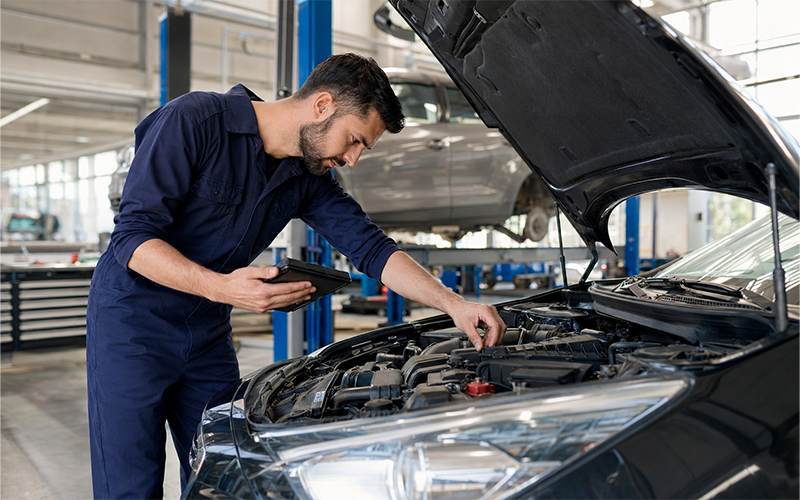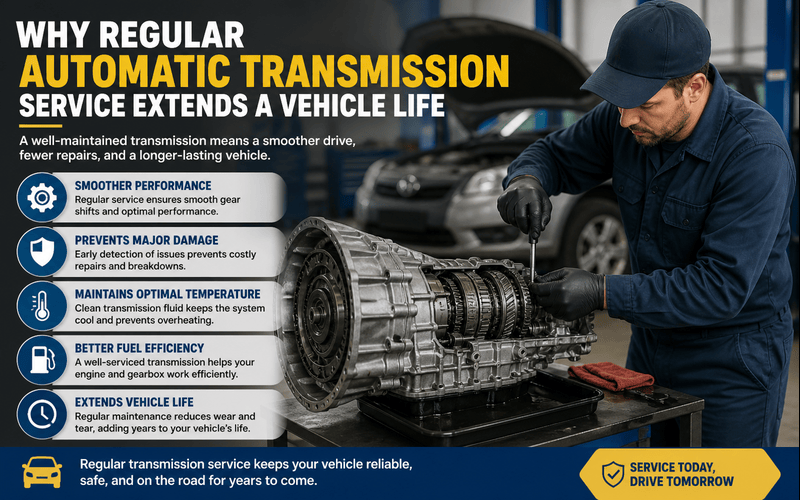
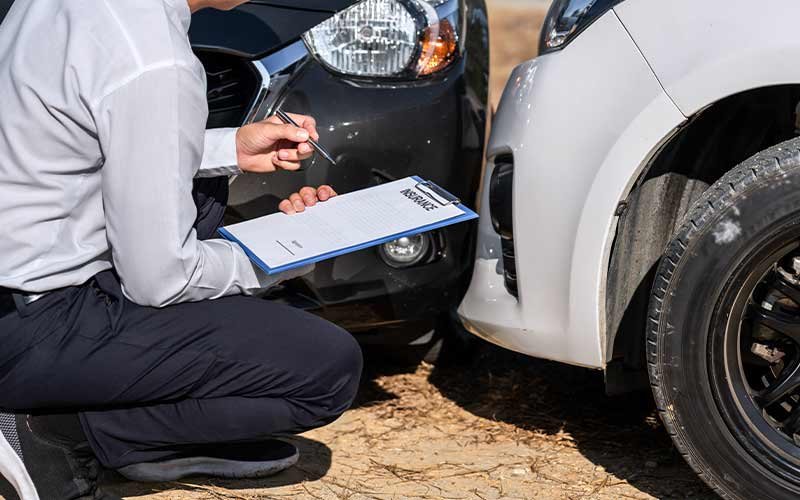
A Roadworthy Certificate Inspection is an important step to ensure that a vehicle is safe to drive and meets the required safety standards. Whether you are planning to sell your car, transfer ownership, or re-register a vehicle, passing a roadworthy inspection is essential. During a Roadworthy Certificate Inspection, qualified mechanics carefully check different parts of the vehicle such as brakes, tires, suspension, lights, steering, and overall structural condition. If any safety-related issue is found, it must be fixed before the certificate can be issued.
Roadworthy Certificate Inspection
During a roadworthy certificate inspection, a certified mechanic will thoroughly examine various components of your vehicle to determine its overall safety and compliance with regulatory standards. Some of the key areas that are typically checked during the inspection include:
- Braking systems
- Lights and indicators
- Tyres and wheels
- Steering and suspension
- Engine and driveline
- Seats and seatbelts
Common Problems And Fixes
1. Faulty Braking Systems
Problem: One of the most common issues that can lead to a failed roadworthy certificate inspection is faulty braking systems. This could include worn brake pads, leaking brake fluid, or malfunctioning brake lights.
Fix: To address this issue, have a qualified mechanic inspect and replace any worn brake components, top up the brake fluid if necessary, and ensure that all brake lights are working correctly.
2. Defective Lights and Indicators
Problem: Another common problem that may arise during a roadworthy certificate inspection is defective lights and indicators. This could include blown bulbs, faulty wiring, or improperly aligned headlights.
Fix: To remedy this issue, replace any blown bulbs, repair or replace faulty wiring, and adjust the alignment of your headlights to ensure proper visibility and compliance with road safety standards.
3. Worn Tyres and Wheels
Problem: Worn tyres and damaged wheels can also cause your vehicle to fail a roadworthy certificate inspection. This could include bald tyres, uneven wear, or cracks in the wheels.
Fix: To resolve this issue, replace any worn tyres, have the wheels balanced and aligned, and repair or replace any damaged wheels to ensure the safety and stability of your vehicle on the road.
Steering and Suspension Issues in Roadworthy Certificate Inspection
4. Loose Steering and Suspension
Problem: If your vehicle’s steering and suspension components are loose or damaged, it could lead to a failed certificate inspection. This could include worn ball joints, leaking shock absorbers, or misaligned wheels.
Fix: To address this issue, have a professional mechanic inspect and replace any worn suspension components, tighten any loose steering parts, and ensure that your wheels are properly align to maintain control and stability while driving.
Workshops like vikas motors provide reliable inspections and quality service to help prepare vehicles for certification. Remember, regular maintenance and proactive repairs are key to ensuring the safety and roadworthiness of your vehicle.
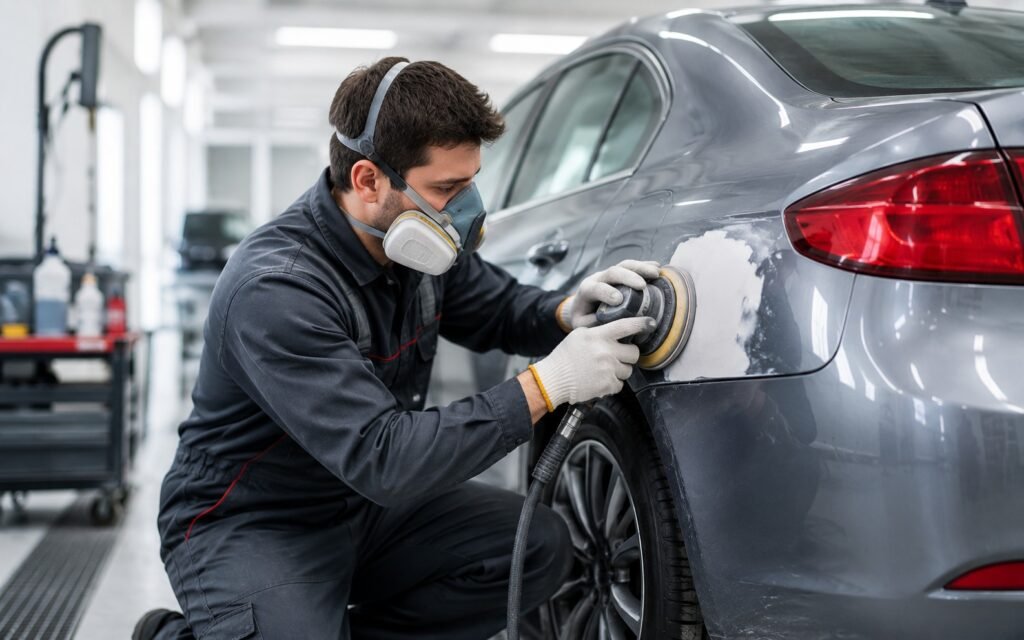
In some cases, vehicles that have previously been involve in collisions may require additional checks. Repairs relate to Accident Smash Repairs should always be completed properly to ensure the structural integrity of the vehicle before the inspection.