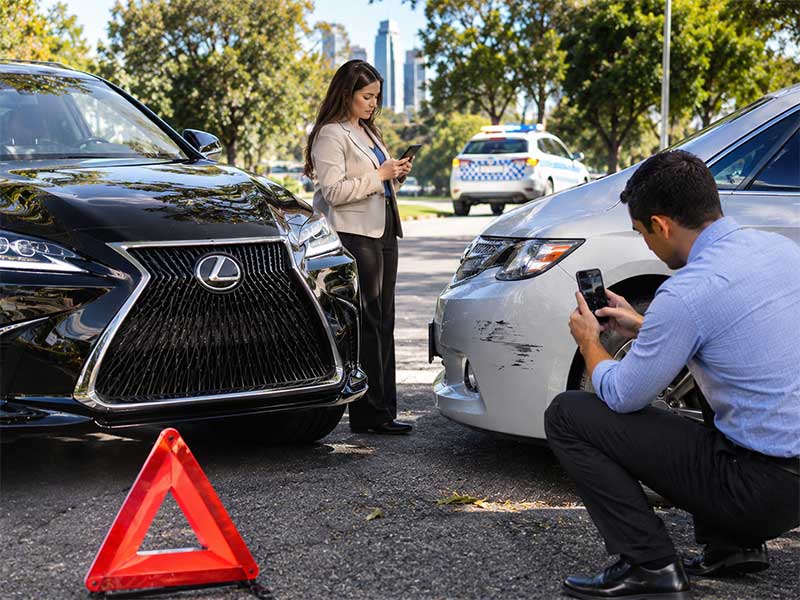
A not at fault accident is stressful, even when nobody is hurt. You have to think about safety, paperwork, insurance and getting your car fixed, all at once. This guide explains what to do after a not at fault accident in Victoria, step by step. It also shows where Vikas Motors can take some of the load off your shoulders.
Please note that this article is general information, not legal advice. Rules can change, so check the latest guidance from the sources linked below for your situation.
Step 1: Make Everyone Safe After a Not at Fault Accident
First, stop immediately and switch on your hazard lights. Next, check whether anyone is injured. If someone needs help, or if the road is blocked, call 000 straight away. Transport Victoria sets out your duties after a crash, including stopping and giving help.
If it is safe and the cars can still be driven, move them out of the traffic. However, take photos of their positions first if you can do so safely. Then stay calm, and keep your passengers away from moving traffic.
Step 2: Exchange Details and Avoid Admitting Fault
You need to swap details with the other driver. According to Transport Victoria, you should give your name, address, vehicle registration number and the vehicle owner’s name. Ask for the same from them. Also note the make, model and colour of their car, and the name of their insurer if they will share it.
Be polite, but be careful with your words. Victoria Legal Aid advises that you should not admit the accident was your fault. You may not know all the facts at the scene, and an early admission can cause problems later.
Step 3: Know When to Report the Crash to Police
Sometimes you must report the crash to police. For example, you need to report it if someone is injured and police did not attend, or if the other driver does not stop or refuses to give their details. Property damage can also trigger a report in some situations. Victoria Police explains that you can report a crash at your local police station.
If nobody is injured and everyone has exchanged details, police do not normally make a formal report. Even so, ask police if you are unsure. A report number can also help your insurer later.
Step 4: Document the Scene and the Damage
Good evidence makes a claim smoother. While you are still at the scene, collect the following:
- Photos of all vehicles from several angles, including number plates
- Photos of the road, signs, skid marks and weather conditions
- Names and phone numbers of witnesses
- Dashcam footage, if you have it
- The time, date and exact location
Later, take clear photos of the damage in daylight. Keep every receipt, such as towing or taxi costs. These records show what the accident cost you.
Step 5: Contact Your Insurer
Call your insurer as soon as you can, even if the other driver was clearly at fault. Tell them what happened, and share your photos and the other driver’s details. Then ask what happens next. For example, ask about your excess, whether you can recover it, and how the assessment works.
Do not sign anything you do not understand. Also keep a note of every call, including the date, the name of the person you spoke to and what they said.
Step 6: Choose a Repairer and Get the Damage Assessed
Next, you need a quote and an assessment. Ask your insurer about your options for choosing a repairer. Many drivers prefer a workshop they know and trust, especially when the repair involves panels, paint and parts. Our smash repairs and collision repair pages explain how we handle this work.
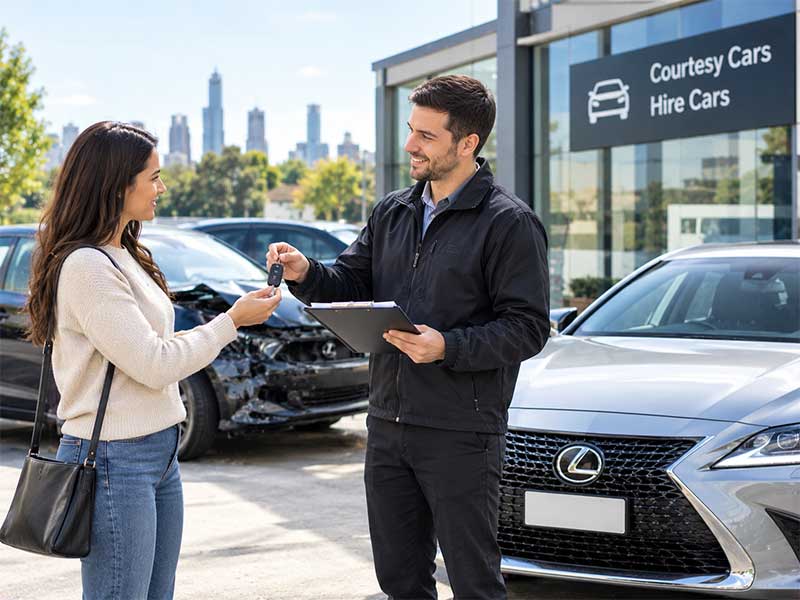
Ask about a replacement vehicle too. Find out whether a courtesy car or hire car is available while your car is off the road, and what the conditions are.
Common Mistakes After a Not at Fault Accident
Small slips can make a claim harder. Avoid these common mistakes:
- Admitting fault at the scene or in a message to the other driver
- Skipping photos because the damage looks minor
- Waiting weeks before you tell your insurer
- Driving a damaged car that may be unsafe
- Accepting a repair plan before you understand what it covers
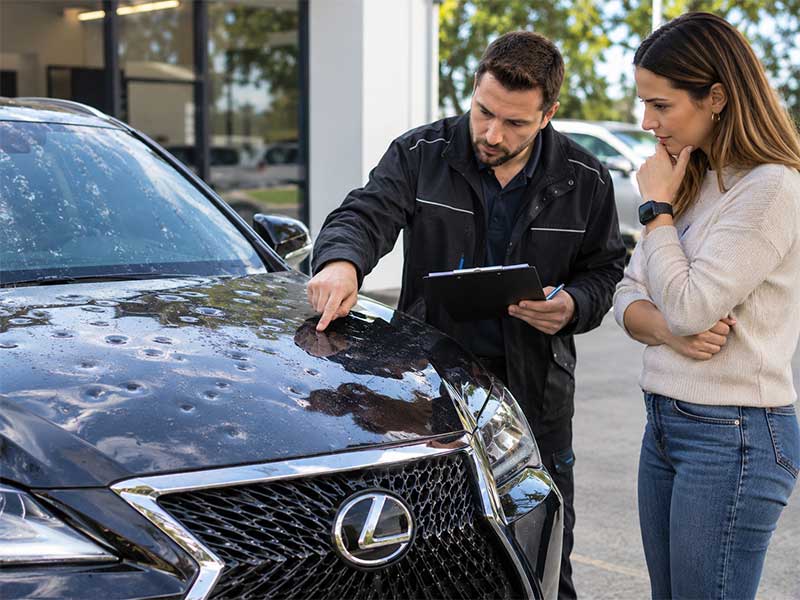
Hidden damage is another risk. A bumper can look fine while the sensors, brackets or panels behind it are bent. Because of this, a proper inspection matters, even after a small knock.
What to Do If an Insurance Dispute Drags On
Most claims run smoothly. However, disputes do happen. If you are unhappy with your insurer’s decision, complain to the insurer first. If the problem is not fixed, you can take it to the Australian Financial Complaints Authority (AFCA). AFCA is free, and it generally expects you to try the insurer’s own complaints process first.
How Vikas Motors Helps After a Not at Fault Accident
At Vikas Motors, we repair vehicles after accidents and help with the claim. Our team liaises with insurers and manages the paperwork, so you do not have to chase it yourself. Our page on not-at-fault accident claims and repairs explains the process. You can also read how insurance claim management works from start to finish.
We repair almost every make and model, from small hatchbacks to family SUVs. A free courtesy car is available, so ask us when you book. One customer wrote on Google that we “took care of the entire repair process.” Customers rate us 5.0 from 33 Google reviews.
Our workshop is at 60 Yellowbox Dr, Craigieburn VIC 3064, open Monday to Sunday, 9:00 AM to 6:00 PM. We also help drivers across Melbourne’s north, including Rosanna, Epping and Broadmeadows. Our page on accident repair has more detail.
Not at Fault Accident FAQs
It depends. You generally need to report a crash if someone is injured and police did not attend, or if the other driver does not stop or refuses to give details. If nobody is hurt and details were exchanged, police do not normally make a formal report. If you are unsure, ask police.
No. Victoria Legal Aid advises that you should not admit the accident was your fault. You may not know all the facts at the scene, so stick to exchanging details.
Ask your insurer about your options. Many drivers choose a repairer they trust, and we are happy to explain our process before you decide.
Yes. We assist with not-at-fault claims by liaising with insurers and managing the paperwork. Contact us with the details of the accident and we will explain the next steps.
A free courtesy car is available. Ask us when you book, so we can confirm availability for your repair.
Get Help With Your Not at Fault Accident Repair
Need help after a not at fault accident? Call 0405274085 or book online. Tell us your make, model and what happened, and we will explain the next steps.